01
Gal Vihara
Four monumental Buddha images carved from one granite outcrop — the city's sculptural masterpiece.
A compact, beautifully preserved medieval capital.
Polonnaruwa was the island's capital in the eleventh and twelfth centuries, and its UNESCO-listed ruins are far more compact and intact than Anuradhapura's — a tight, photogenic circuit of palaces, council chambers and shrines that rewards a half-day by bicycle. The city reached its zenith under King Parakramabahu I, whose reign mixed Sinhalese, Hindu and South Indian Chola influences into a remarkable concentration of monuments. The undisputed highlight is the Gal Vihara, a quartet of giant Buddha figures carved directly from a single granite face, their serene expressions ranking among the finest stone sculpture in South Asia. The vast Parakrama Samudra reservoir alongside still mirrors the engineering ambition of the city's golden age.
A compact, beautifully preserved medieval capital.
What to see
The landmarks and corners worth carving out time for. Each one a reason this place earns its place on the route.
Four monumental Buddha images carved from one granite outcrop — the city's sculptural masterpiece.
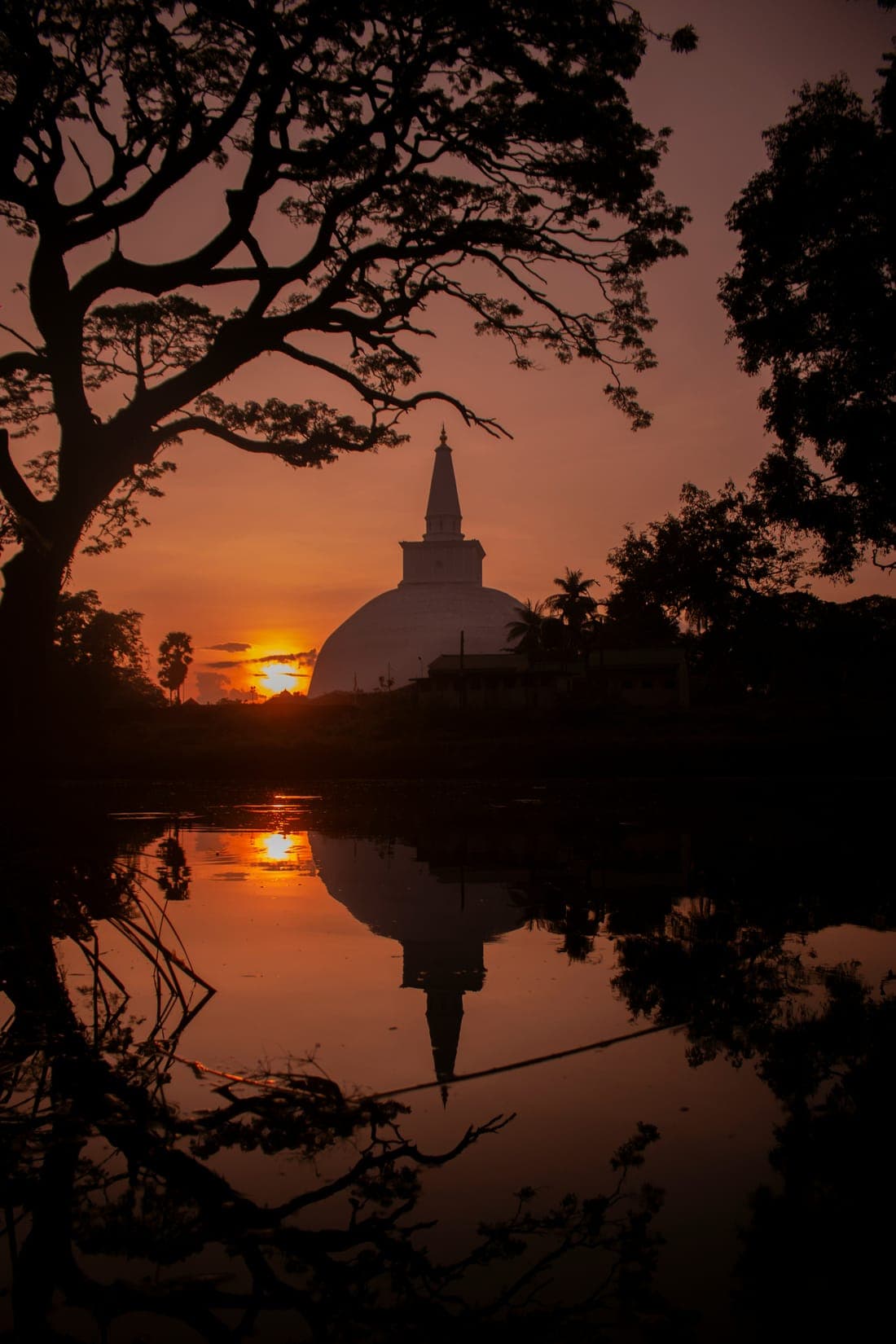
A raised terrace clustering the city's holiest shrines, including the circular Vatadage.
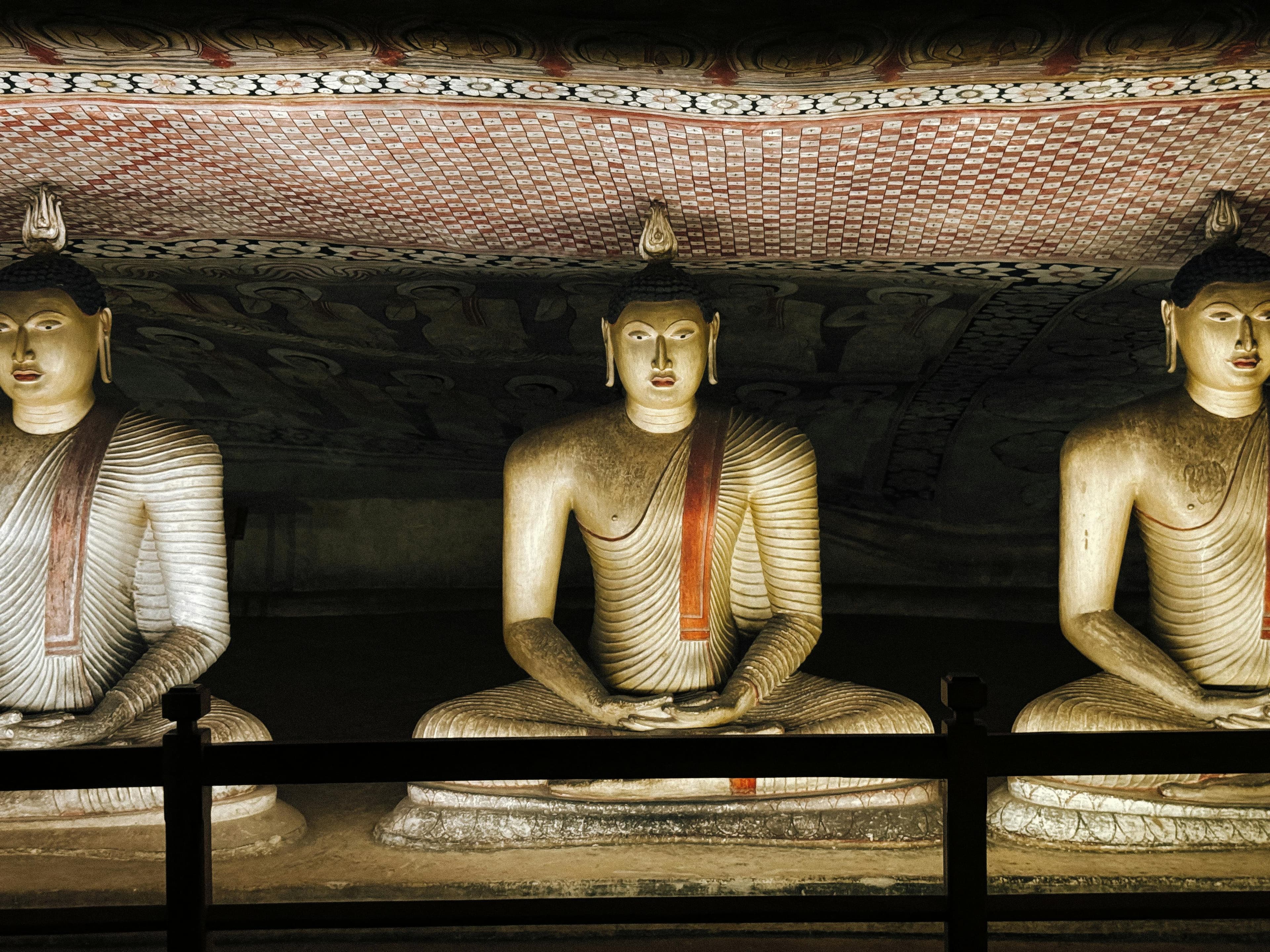
The towering brick ruins of a once seven-storey palace and its adjoining audience hall.
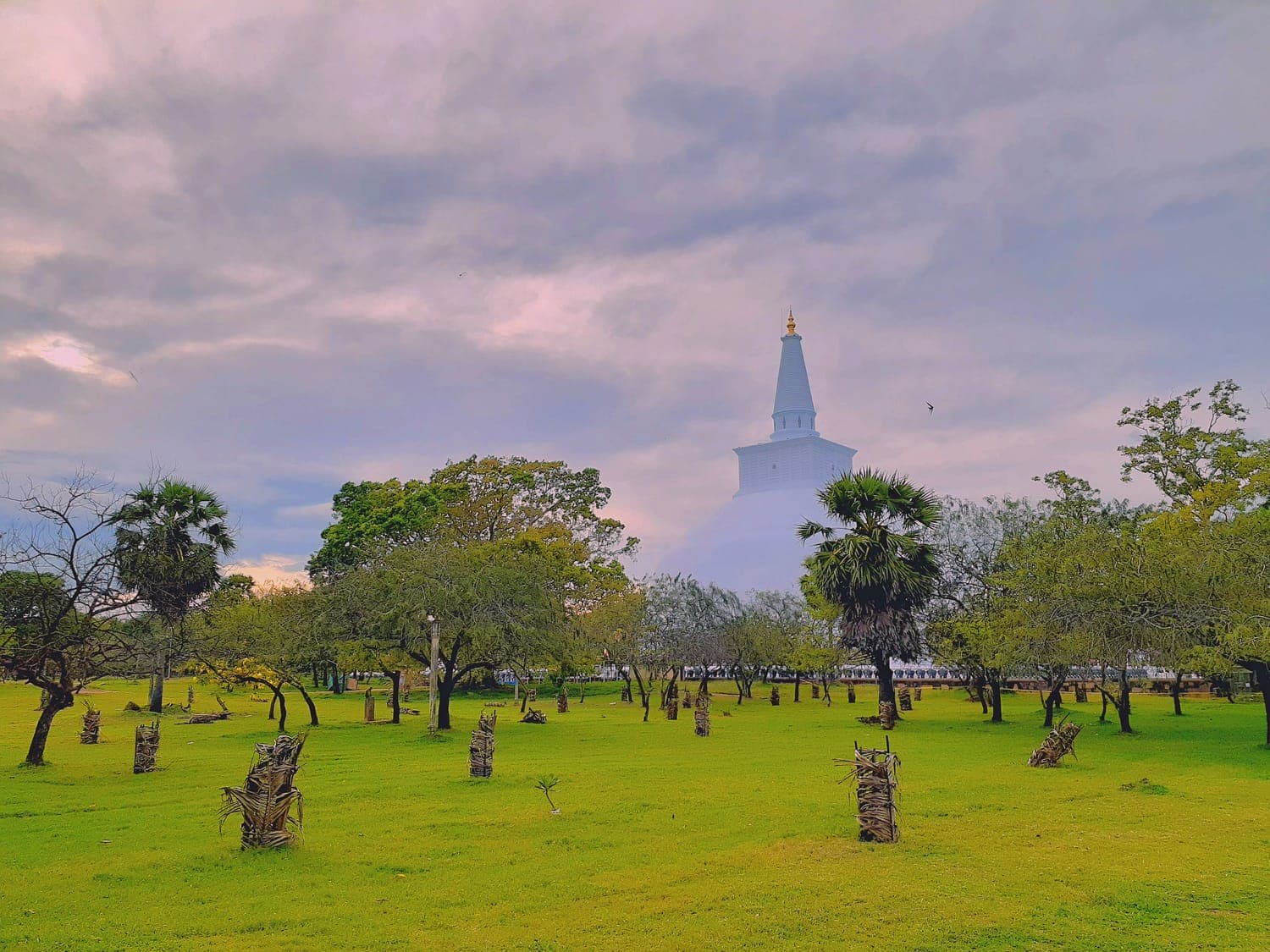
The largest stupa in the city, a great bell-shaped dagoba modelled on Anuradhapura's monuments.
A vast brick shrine with soaring walls framing a headless standing Buddha.
The 'Sea of Parakrama', a vast medieval reservoir that watered the capital and still defines its edge.
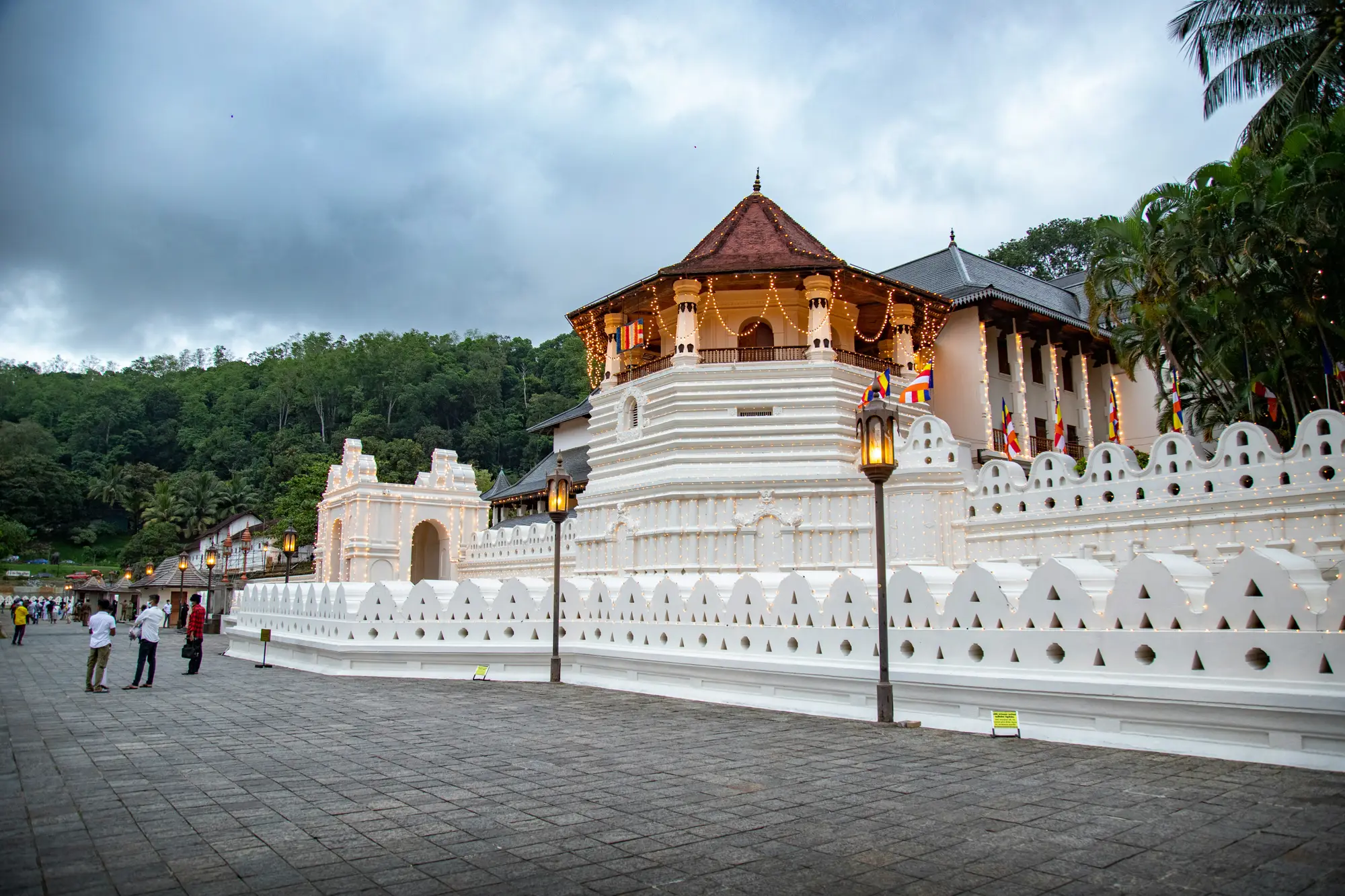
Quieter monastic stupas and image houses set among the trees north of the city core.
Where Polonnaruwa lies within the Cultural Triangle, and the landmarks clustered around it, so you can picture how it threads into the rest of a tour.
We weave it into a private, tailored trip around how you want to travel.